
(509) 525‑1040 Free Rental Analysis

Services  /  Inspections

You always know the state of your property.

We inspect a property at move-in, early in a new tenancy and regularly after that, from the street every quarter, and immediately after move-out.

II   Risk control

The kinds of inspection.

1 / 2

These are the inspections every home we manage gets.

The move-in checklist is signed with the resident, and anything defective we find later is photographed — so condition is never a he-said-she-said conversation later.

  1. At the start of the tenancy. Our team and the resident, together. A written checklist of condition and cleanliness, signed and dated by both. The resident gets a copy.

  2. Early in a new tenancy, and regularly after that. Our team, after written notice to the resident. Anything defective is photographed and followed up.

  3. Every quarter. Our team, from the street. Anything out of order is photographed and followed up.

  4. Immediately after the resident has moved out and returned the keys. Our team only. A comparison with the signed move-in checklist, and the list of work to make the home ready for the next resident.
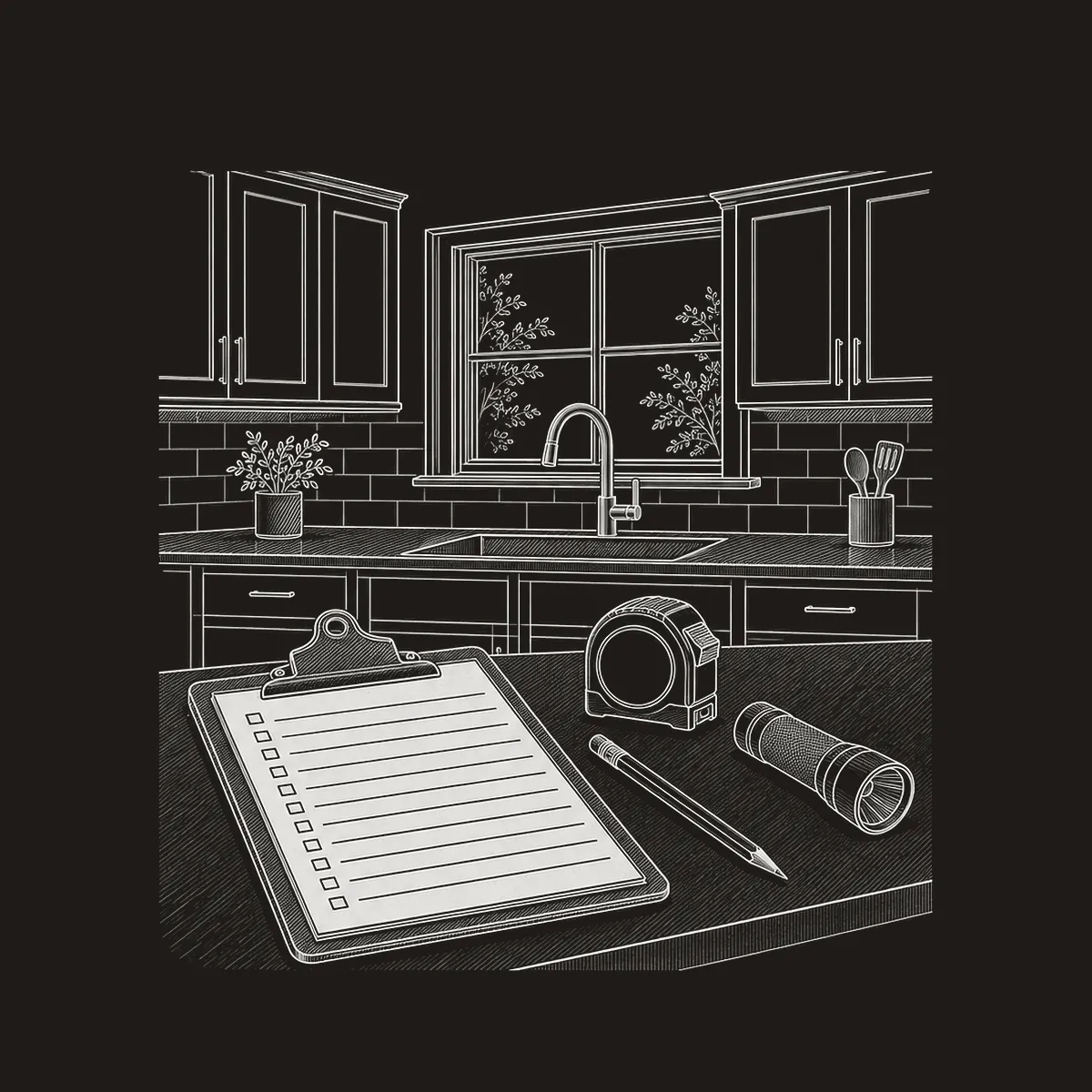
Fig. 1When we inspect, and who is thereAn inspection is what can be seen on one day. It is not an engineering study.

2 / 2

How a problem we find becomes a repair.

  1. The inspector records the problem and takes a photo of it.

  2. We decide whether it is an emergency, urgent or routine, and choose the right vendor.

    How we handle maintenance
  3. Your management agreement sets a repair approval amount for the home. Below it, we can handle the repair and report it on your monthly statement. Above it, we come to you before proceeding.

  4. The vendor invoice goes to your owner portal, and the repair appears on your statement.

Fig. 2From a finding to a repairWhen an inspection finds nothing that needs attention, there is nothing for you to do. You hear from us when something needs your decision.

III   Inside the home

What an interior inspection looks at.

Anything that needs attention is noted and photographed.

  • Smoke and carbon monoxide alarms: present, and working.
  • Furnace and air filters, and the water heater.
  • Signs of leaks under sinks, around toilets and at the water heater.
  • Walls, floors, doors, windows and locks.
  • Appliances and fixtures that came with the home.
  • The exterior and the yard.
  • How the resident is keeping the home.

IV   Notice to the resident

Entering a rented home.

A rented home is the resident’s home, and Washington law sets out how a landlord may enter it. Before an inspection, we give the resident the notice the lease and Washington law require.

Your lease with the resident explains how entry works, and we will go through it with you if you would like.

Washington law Washington’s Residential Landlord-Tenant Act sets the rules for when and how a landlord may enter a rented home, including for an inspection (RCW 59.18.150).

And its limits

What an inspection cannot tell you.

  • It covers what was visible and reachable on the day. It does not show what is inside walls, under floors or above ceilings.
  • It is not an engineering or code inspection.
  • A photo shows a defect. It does not always show the cause.
  • It is one day. Conditions can change the next week, which is why the next inspection and the resident’s repair requests matter too.

V   At move-out

Move-out inspection and the deposit.

Immediately after move-out we inspect the home and compare it with the signed move-in checklist, so the work to make it ready for the next resident can start at once.

The comparison matters because the deposit and the move-in checklist are linked. Ordinary wear is not damage, and a deduction needs documentation. If a deduction is taken, the resident receives an itemized statement in writing, backed by estimates or vendor invoices.

The resident has the home professionally cleaned and brings the keys to our office. We do not do a walk-through with the resident, before or at move-out.

VI   Asked often

Common questions.

  • You hear from us when an inspection finds something that needs your decision. Repairs that follow appear in your owner portal and on your statement.

  • No. The resident returns the keys, and we inspect afterward and compare the home against the move-in condition report.

  • Call the office and tell us what concerns you. Any entry to the home still needs the notice the lease and Washington law require.

This page is general information, not legal advice. Your management agreement and Washington law control.

Your property

Find out what your property could earn.

Our rental analysis is free, custom to your property, and delivered in 1–2 business days. No obligation. Clear next steps after delivery.

Free Rental Analysis Or call us directly: (509) 525‑1040