
(509) 525‑1040 Free Rental Analysis

Services  /  Maintenance

Maintenance that protects your investment.

Triage-first, cost-controlled, and fully transparent.

II   Before anyone is sent

Triage-first approach.

Not every maintenance request requires a vendor dispatch. Before anyone is sent to your property, we evaluate the request to determine what is actually needed.

  1. 1Is this an emergency or can it be scheduled?
  2. 2Can the resident resolve it with guidance?
  3. 3What is the right trade for this issue?
  4. 4Does the scope require owner notification?

This approach reduces unnecessary service calls, matches the right vendor to the right problem, and keeps your costs down.

III   Process, engineered

Emergency vs. routine priorities.

1 / 2

Every request, by urgency.

We classify every request by urgency and act accordingly.

  1. Situations that threaten life, safety, or property: active water leaks, no heat in winter, gas leaks, electrical hazards, sewer backups, lockouts involving safety. True emergencies reach our on-call staff at any hour, every day of the year.

  2. Issues that affect habitability but are not immediately dangerous: broken appliances, plumbing issues that do not involve active leaks, HVAC problems in moderate weather. Addressed within 24–48 hours.

  3. Non-urgent items: cosmetic issues, minor repairs, general maintenance requests. Scheduled at the next available appointment with the appropriate vendor.
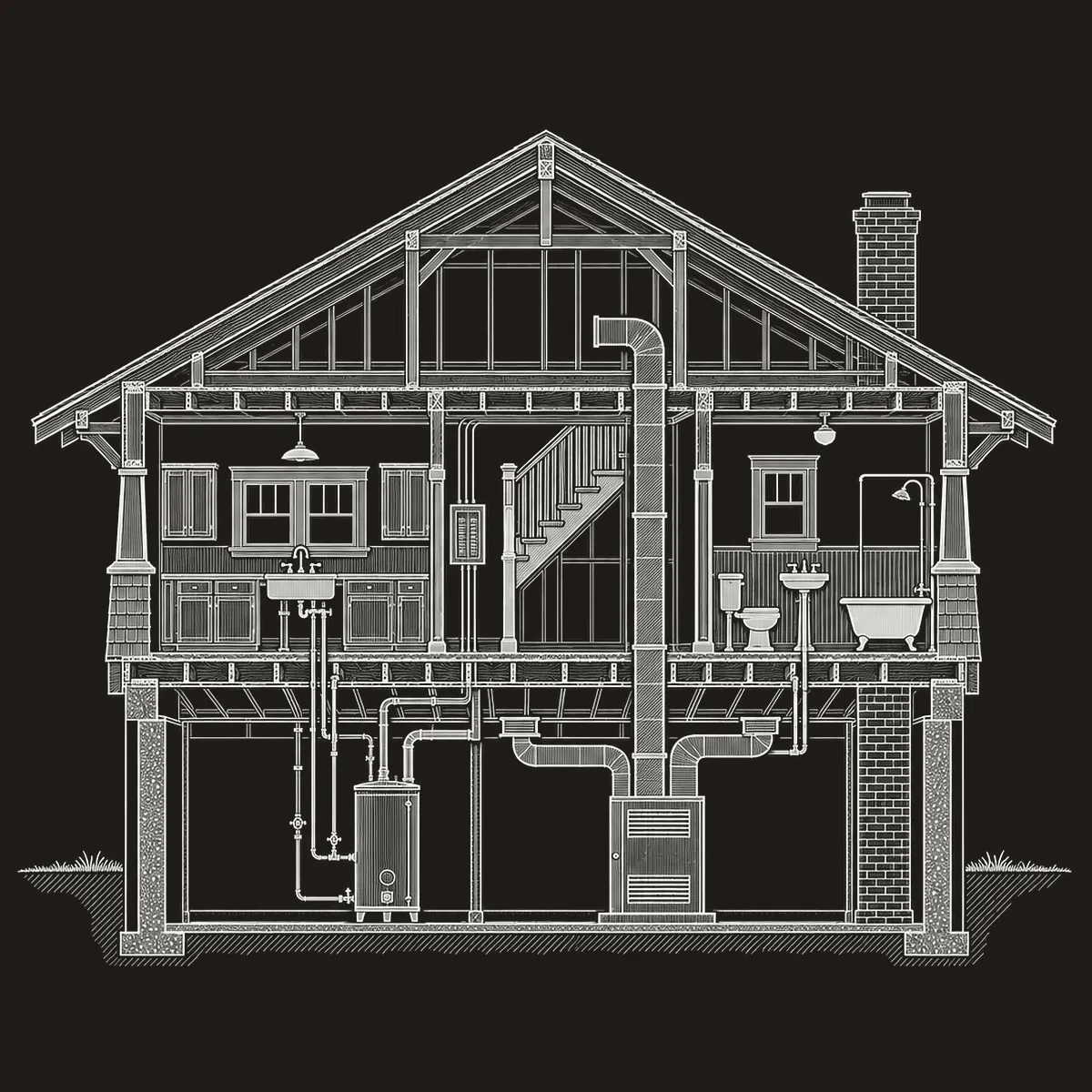
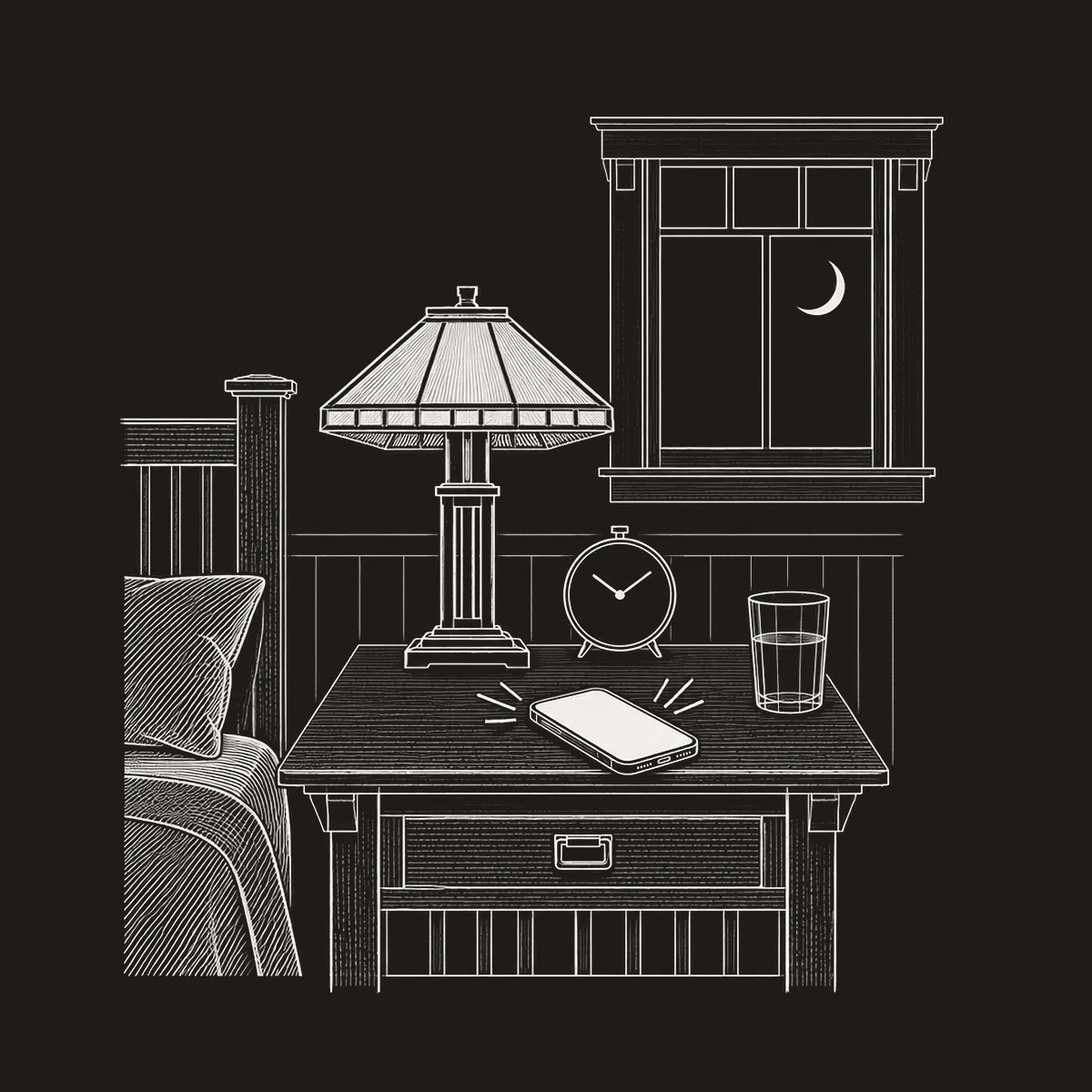
Fig. 1How urgent is it?We classify every request by urgency and act accordingly.

2 / 2

The emergency line, and why we built our own.

Our phone line was built in-house, around our own properties. A resident who calls after hours is asked a few plain questions, and the answers decide what happens.

  1. A true emergency, such as water that cannot be shut off, starts calls and texts to our on-call staff at once. A voicemail greeting cannot take that alert. A person has to accept responsibility for it, and the line keeps calling and widens to more of our staff to make that happen.

  2. A problem that can safely wait is recorded for the office, and the resident is told what to do in the meantime, such as shutting off the water or catching a drip.

  3. The design leans toward reaching a person. If a caller hangs up partway through an emergency message, the alert still goes out. Every emergency alert is logged, with who accepted it and when.

Why we built our own emergency line, by Miles

Fig. 2What happens when the emergency line ringsWhat that buys you is judgment at 2 a.m. A resident with a burst pipe reaches someone who can act, and a problem that can wait until morning waits until morning.

IV   Judgment

Owner communication and approval.

Your management agreement sets a repair approval amount for each property. We agree on it with you, home by home, because the right figure for one house is not the right figure for another. Below that amount we can act without calling you first. Above it, we come to you with the problem, the options and a price before work starts.

We treat that amount as a guide for judgment, not a script. Two examples:

  • If a repair touches a decision that is really yours, such as fixing something you may be planning to replace, we ask first. A small invoice can still be the wrong call when we do not yet know your plans for the home.

  • A water heater that has failed, is leaking and cannot be repaired has to be replaced. We replace it in the most cost-effective way we can, and tell you what we did and why.

You are not hiring us to follow a number. You are hiring people who know this work to act as an extension of you: with your goals for the property in mind, and with the technical knowledge and experience that come from doing it every day. The better we know your goals, the less often we need to interrupt you, and the more useful the call is when we do. Miles has written more about this in The number is a guide, not a script.

You receive notification of all maintenance requests.

Emergency work that protects the property may proceed without prior approval, per your management agreement.

All work is documented with vendor invoices on your owner portal.

V   Who does the work

Trusted vendor network.

We maintain relationships with licensed, insured, and reliable vendors across every trade needed for residential property maintenance in Walla Walla.

  • Plumbing, electrical, HVAC, and general handyman
  • Appliance repair and replacement
  • Roofing, gutters, and exterior maintenance
  • Landscaping and snow removal
  • Cleaning and turnover services

We vet vendors for quality, reliability, and pricing. We do not use our maintenance program as a profit center; we use it to protect your property.

VI   Before it fails

Preventive maintenance.

Reactive maintenance costs more than preventive maintenance. We track the age and condition of major systems and recommend proactive service before failures occur.

  • HVAC filter changes and seasonal service
  • Gutter cleaning and exterior drainage
  • Water heater inspection and maintenance
  • Smoke and CO detector testing
  • Seasonal property inspections

And if it waits

The cost of deferred maintenance.

Putting off maintenance does not save money. It transfers a small cost today into a large cost later.

  • A slow leak becomes a mold remediation project.
  • A worn roof becomes water damage to ceilings, walls, and flooring.
  • An aging water heater fails on a holiday weekend, requiring emergency replacement at premium rates.

We help you make informed decisions about when to repair, when to replace, and when to invest in prevention.

Your property

Your property deserves better than reactive maintenance.

Talk to Miles about how we manage maintenance for properties like yours.

Schedule Time with Miles Or call directly: (509) 525‑1040