
Here is the question I ask myself about any part of this business: how does it fail?
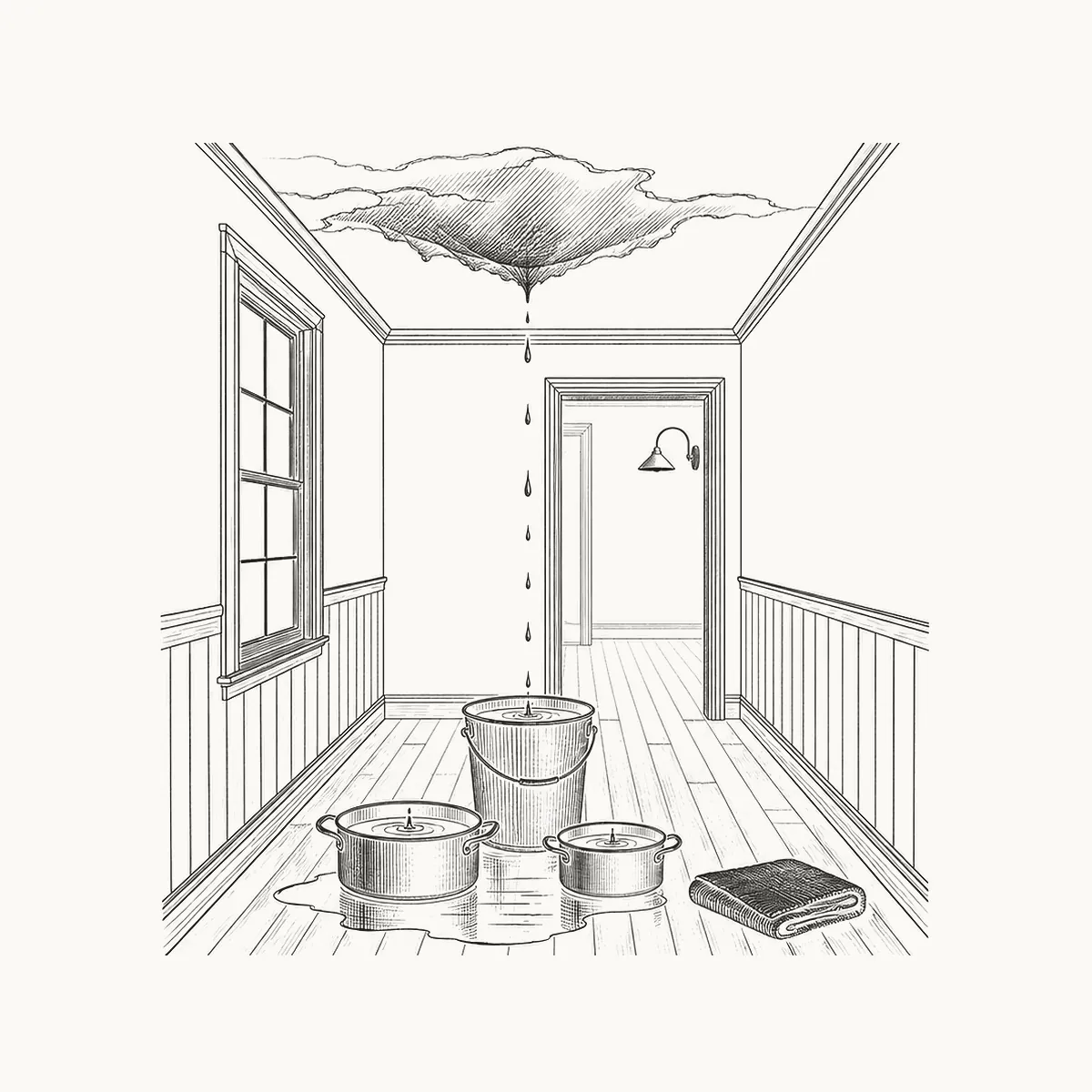
For most of what a property manager does, a failure is slow. A statement goes out a day late. A showing gets rescheduled. You have time to notice and fix it. The after-hours emergency call is different. It fails fast, in the dark, with water coming through a ceiling, and nobody finds out until morning.
So before we decided how our phones should work at night, we sat down and listed the ways a two o’clock call goes wrong. There turned out to be five, and you have probably lived through at least one of them as a customer of somebody else.
The five ways it fails
Nobody answers. The call rings out, or lands in a general voicemail box that someone will open at nine.
Somebody answers, and nothing happens. An answering service takes a careful message and passes it along. The message is now sitting in a queue, and everyone involved believes they did their part.
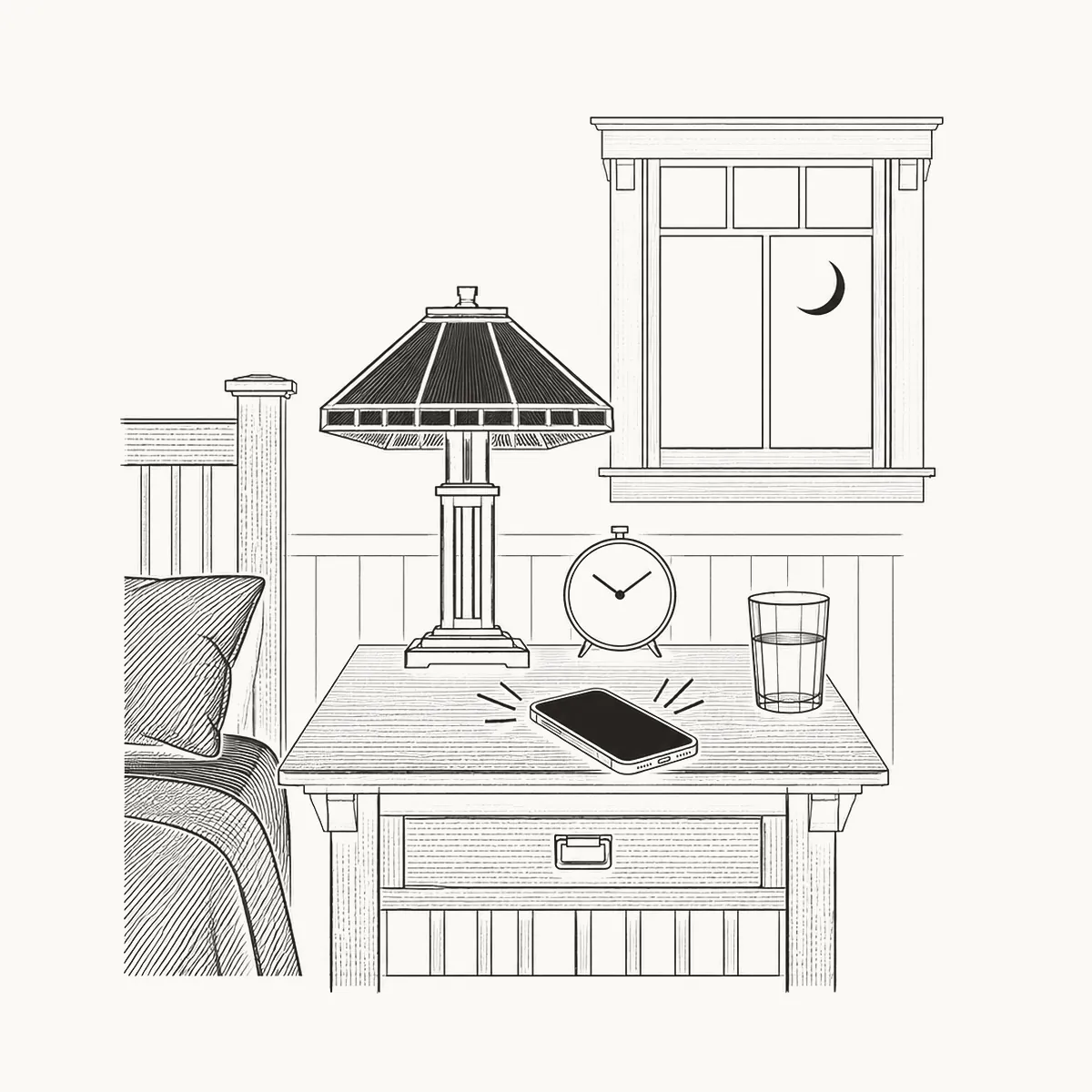
A phone rings, and that is counted as success. The system dials whoever is on call. Their phone is on a nightstand, face down, and after six rings their voicemail greeting picks up. As far as the machine is concerned, the call was answered.
Every call wakes someone. If a dripping faucet and a burst pipe ring the same phone at the same hour, the person on call learns to stop jumping. That is not a character flaw. It is what happens to anyone who is woken for things that could have waited.
The caller gives up. Someone standing in an inch of water does not always finish leaving a message. They hang up to deal with the water.
What we built instead
So we built our own line, in-house, around our own properties, to close all five.
The line answers at any hour. When no one in the office can pick up, the caller reaches a short menu, and the emergency option asks a few plain questions. A hospital does the same thing at its front door. A triage nurse does not treat people in the order they walk in. She asks enough to know who cannot wait.
If the answers describe a true emergency, such as water that cannot be shut off, the line starts calling and texting our on-call staff at once. And this is the part I care about most: a ringing phone does not count. A voicemail greeting cannot take the alert. A person has to accept responsibility for it, and the line keeps calling, and widens to more of our staff, to make that happen.
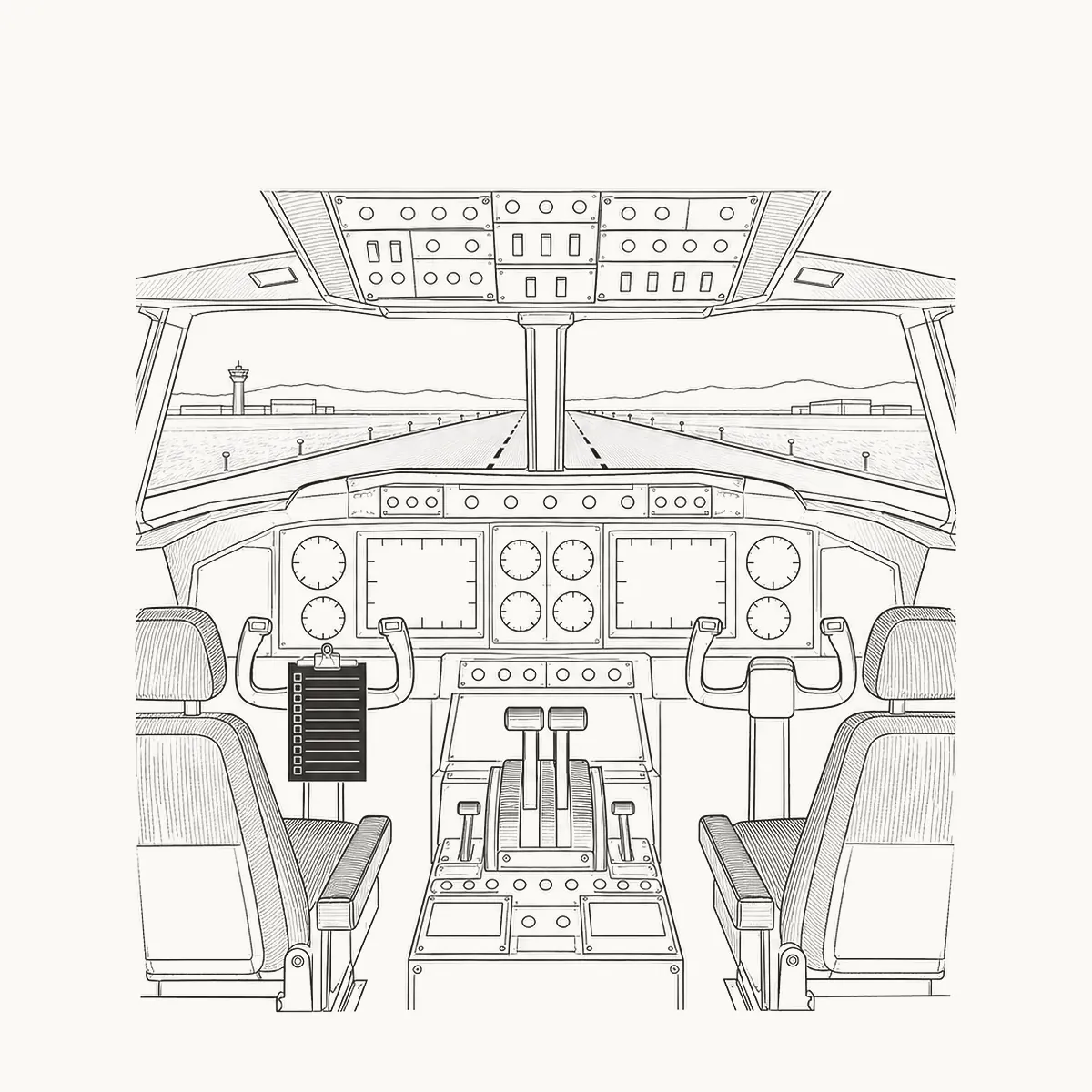
Pilots do something similar when one hands the airplane to the other. The first says “you have the controls.” The second says “I have the controls.” It sounds almost silly until you think about the alternative, which is a moment when each of them believes the other one is flying. We wanted that same spoken hand-off for a burst pipe.
If the answers describe something that can safely wait, the resident is told so plainly, hears what to do in the meantime, such as shutting off the water or catching a drip, and leaves a message for the office. Nobody is woken for it, which is exactly why the people on call still jump when the phone does ring.
And if the caller hangs up halfway through describing an emergency, the alert goes out anyway. The design leans toward reaching a person. When it has to guess, it guesses that the problem is real.
Every emergency alert is logged, with who accepted it and when.
Why we did it this way
We made these decisions at a desk, in daylight, by asking what could go wrong and settling in advance what we wanted to be true when it did. That is how we try to build everything.
I want to be careful about what I am claiming. This is not a promise that nothing will ever go wrong at night. Pipes burst, and they do not check the time. It is a system built so that when something does go wrong, a person knows about it, and has said so.
For a resident, that means the call you make at the worst moment is not the end of your part and the start of a long silence. For an owner, it means judgment at two in the morning: a real emergency reaches someone who can act, and a problem that can wait until morning waits until morning.
You will probably never think about our phone line, and that is how it should be. But if you are choosing someone to look after a house you own, ask them what happens when a resident calls at night. Then ask what happens if the first person does not pick up.
— Miles