
Every so often I talk with an owner who has just sold a rental, and what I hear in their voice is relief. It is not regret, and it is not satisfaction at a good price. It is relief. They will tell you the house was a decent investment. They will also tell you it took every spare weekend and most of their holidays for years, and that they are glad it is gone.
I understand the relief. But I think it is aimed at the wrong thing. The house did not take those weekends. The investment never asked for them. Something else did, and it was hiding inside the same word.
Two things with one name
When someone says “I have a rental,” they are usually describing two different things at once. One is an investment: a house that is worth something, earns rent, and with care is worth more later. The other is a job: answering the phone, showing the place, painting a bedroom, chasing a late payment, meeting the plumber.
The investment and the job arrive on the same day, in the same deed, so most people never notice that they are separate. But they are, and you can see it in anything else you own. Nobody who buys shares in a grocery chain feels obliged to stock its shelves on Saturday. They own the asset. Somebody else has the job.
A rental house is one of the few investments where the owner is handed the job by default, without ever being asked whether they want it.
The neighbor’s house
Here is a test I give owners.
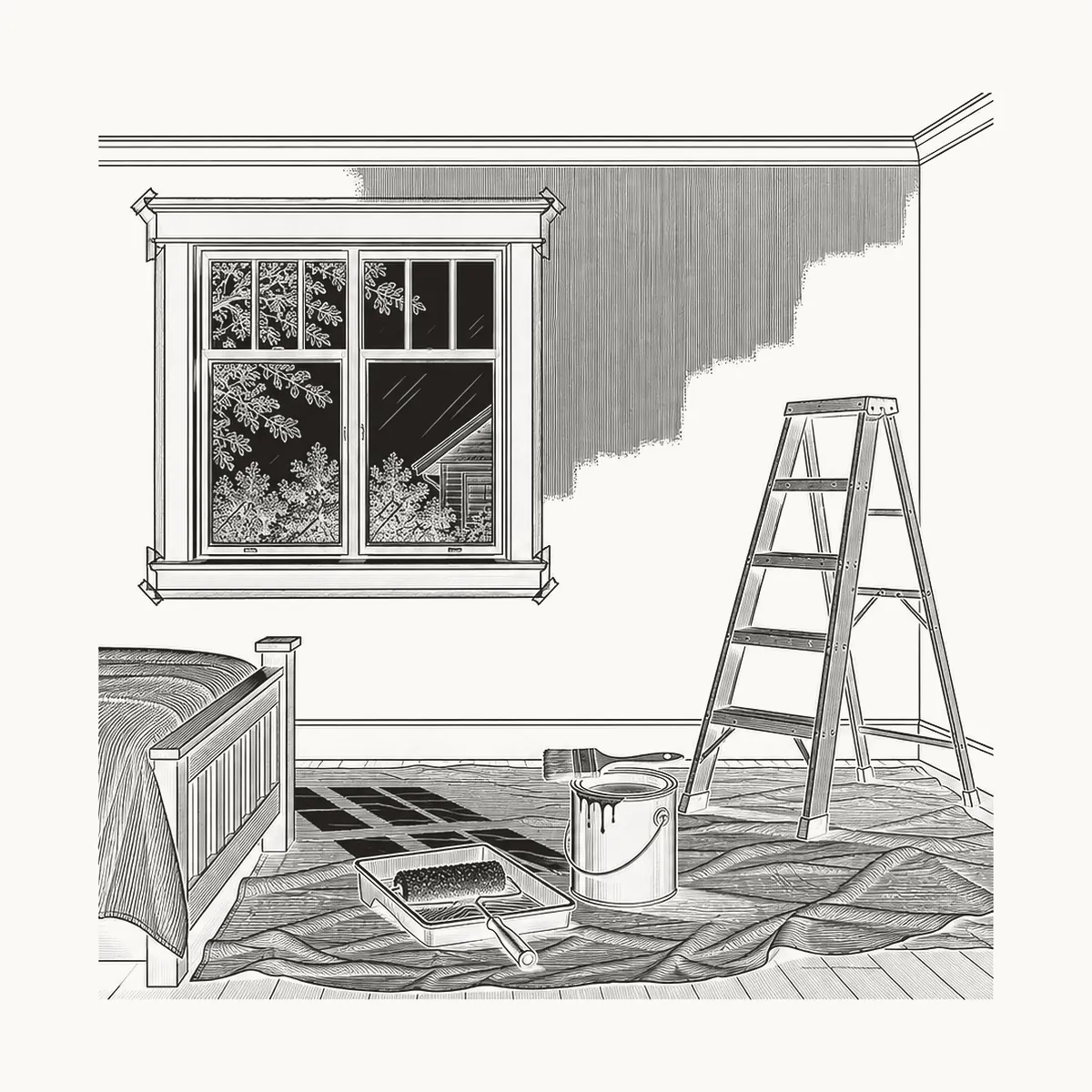
Suppose your neighbor knocked on your door and offered you a weekend job painting the inside of his house. He would pay you what a painter charges. Would you take it?
Most people would not. They have a profession that pays better, they have families, and they do not especially like painting. They would say no without thinking twice.
Now look at what happens when a bedroom in their own rental needs paint. They spend the weekend painting it, and they call that saving money.
It is the same job, and the money is exactly the same. Painting your rental yourself saves what a painter would have charged, which is precisely what your neighbor offered you. If that wage was not worth your Saturday next door, it is not worth your Saturday here. The only thing that changed is whose name is on the deed, and that has nothing to do with what your time is worth.
Three questions for every job the house creates
A rental creates many jobs, not one, and you can decide about each of them separately. For any one of them I would ask three things.
Do you enjoy it? Some owners like the work. They like a Saturday with a paintbrush, or they like showing a house and meeting the people who might live there. That is a real reason to keep a job.
Are you suited to it? Liking the work is not the same as being good at it. Screening applicants fairly, serving a legal notice correctly and knowing which repair can wait are skills. In Washington, the cost of getting some of them wrong is high.
What does it pay you, compared with what you already do? If your own profession pays you more for an hour than the rental job saves you, every hour you spend on the rental is a pay cut you have given yourself.
If the answer to all three is yes, keep the job. You will probably do it well. If the answers are no, the job is costing you more than it looks like, and you are paying in the one thing you cannot buy back.
Where it goes wrong
The owners who struggle are not the ones who chose the job. They are the ones who never chose at all. They took on every role the house created because it seemed like what an owner does. Then they kept taking them on, year after year, on weekends and holidays, until the whole thing felt like a weight.
By then the investment gets the blame. A house that was doing what it should, holding its value and earning rent, gets sold because its owner is tired. That is the wrong reason to sell a good asset.
Make two decisions, not one
So I ask owners to make two decisions, and to make them separately.
The first is about the investment. Is this house a good thing to own? That depends on the numbers, your plans and the market. It has nothing to do with who paints the bedroom.
The second is about the job. Of all the work the house creates, which parts do you want, and which parts should belong to someone else?
You may decide you want all of it. That is a fair choice, and if you make it on purpose you will be a better landlord than most. You may decide you want none of it, and that is what a property manager is for. Even owners who manage their own homes sometimes ask us for help getting one ready to rent, and we are glad to do that.
What we are for
That is how I think about our work. We take the job, and we do it as a profession, with people who chose it and do it every day. You keep the investment.
When it works, a year in you do not think about the property much. It is doing what an investment should do, which is work for you, instead of the other way around.
If you are tired, it may not be the house. It may be the job. The two can be separated.
— Miles